

The Custom Engagement Ring Process: How Custom Rings Are Made
The custom engagement ring process is how a sketch on a napkin becomes a finished ring on someone’s hand. At Camellia Jewelry every ring is already made to order rather than pulled off a shelf, so going fully custom is a smaller leap than most people expect — and it usually costs less than the same design would from a mass-market brand.
Quick answer: The custom engagement ring process moves through six stages — consultation, sketch, 3D CAD rendering and approval, stone selection, casting and hand-setting, then final polish and quality check. At Camellia, custom pieces are produced in 21–28 business days (roughly 4–6 weeks), plus 1–3 business days shipping inside the USA and about 3–4 days worldwide. You approve a 3D rendering before anything is cast, so there are no surprises.
First, decide how custom you need to go
“Custom” covers three different levels of work, and picking the right one saves time and money.
- Modification. Start from a ring in the engagement ring collection and change the metal, center stone shape or carat weight. Fastest and cheapest.
- Semi-custom. Combine elements from two or three existing designs — this band with that gallery, this leaf motif with a different stone. Most requests land here.
- Full bespoke. Drawn from scratch around your idea, an heirloom stone or a family motif. Takes the longest, exists nowhere else.
Unsure which fits? Send reference images through the custom design request form (it accepts images up to 20 MB) and a designer will tell you honestly whether a small modification gets you 90% of the way there.
The custom engagement ring process, step by step
Step 1: Consultation and brief
You share reference images, heirloom photos or a loose description. The designer’s job is to turn that into a brief that can actually be manufactured: how it sits beside a wedding band, prong height, whether a delicate vine motif will survive daily wear, and what the budget realistically buys. Sort out ring size here too — Camellia sends a free sizer kit on request, and our guide to measuring ring size at home covers the DIY methods that actually work.
Step 2: Sketch, then 3D CAD rendering
A craftsman first draws a professional sketch of the concept. Once you approve the direction, designers build it in CAD and produce high-resolution 3D renderings that show proportion, stone spread and how the ring sits from every angle. You review, request adjustments, and the model is revised until you sign off. Nothing is cast until you approve the rendering — this is the single biggest reason modern bespoke work goes wrong far less often than it used to.
Step 3: Choosing the center stone
Stone choice moves the price more than the setting does. Camellia works with natural diamonds, lab-grown diamonds, moissanite and colored gemstones including sapphire, ruby, emerald, morganite, aquamarine, tanzanite, amethyst, topaz and pearl.
- Natural vs lab-grown: chemically and optically identical, indistinguishable to the naked eye, priced very differently. See natural vs lab-grown diamonds.
- Where to spend: cut affects how a diamond looks more than color or clarity does. Read the 4 Cs explained and why cut matters most before trading cut grade for carat weight.
- Alternatives: moissanite and sapphire hold up to daily wear; softer stones like emerald and opal need a protective setting.
Natural diamonds are supplied with an International Gemological Laboratories (IGL) certificate, and every finished piece ships with an in-house Certificate of Authenticity and Appraisal stating its retail replacement value for insurance.
Step 4: Metal and setting decisions
Camellia works in 14K and 18K gold — white, yellow, rose and two-tone. 14K is harder and more scratch-resistant; 18K is richer in color and slightly softer (14K vs 18K compared). The setting decides how secure the stone is and how much light reaches it: a bezel protects an active wearer’s stone, prongs let in more light, pavé adds sparkle but more maintenance — see setting types explained. For organic or antique directions, browse the nature-inspired and vintage-inspired guides.
Step 5: Casting, hand-setting and finishing
The approved CAD file is grown as a wax model, invested in plaster and cast in your chosen gold by the lost-wax method goldsmiths have used for centuries. The raw casting is cleaned, filed and pre-polished by hand, then a setter places each stone individually — on filigree or floral designs this is the slowest part of the build, because every seat is cut by hand under magnification.
Step 6: Final polish, quality check and delivery
The ring is polished, rhodium-plated if it is white gold, then inspected for stone security and finish before packing. Shipping is free, fully insured and sent by FedEx — 1–3 business days inside the USA, roughly 3–4 days elsewhere.
How long does the custom engagement ring process take?
| Stage | Typical time |
|---|---|
| Consultation and first sketch | 1–3 days |
| CAD rendering and revisions | 2–5 days (depends on your feedback speed) |
| Stone sourcing | Same day to 2 weeks for unusual stones |
| Production (casting, setting, finishing) | 21–28 business days for custom orders |
| Shipping | 1–3 business days USA / 3–4 days worldwide |
For comparison, a standard Camellia ring made to order without customization takes 7–10 business days. If you are working towards a fixed proposal date, start six to eight weeks out. Rush production can be arranged, but it has to be agreed before you place the order.
What actually drives the price
In order of impact: the center stone (type, carat, cut grade), the number of accent stones and how they are set, metal weight and karat, then design complexity. Hand-set pavé, filigree and sculpted nature motifs add labor hours; a clean solitaire does not.
Most Camellia engagement rings sit in the $1,900–$6,000 range, and custom pieces are quoted against the same materials and labor — there is no designer surcharge for going bespoke. Payment can be split into 3–4 interest-free installments through Camellia’s in-house plan, or via Affirm, SplitIt or PayPal. Still setting a number? Read how much to spend on an engagement ring.
Resetting an heirloom stone
Reusing a grandmother’s diamond is one of the most common reasons people go custom. Send clear photos and any paperwork you have; the stone is examined for chips or abrasions along the girdle before the design is finalized, because an older stone often needs a more protective setting than a new one. Old European and old mine cuts look best in designs built around their proportions rather than forced into a modern halo.
Five mistakes worth avoiding
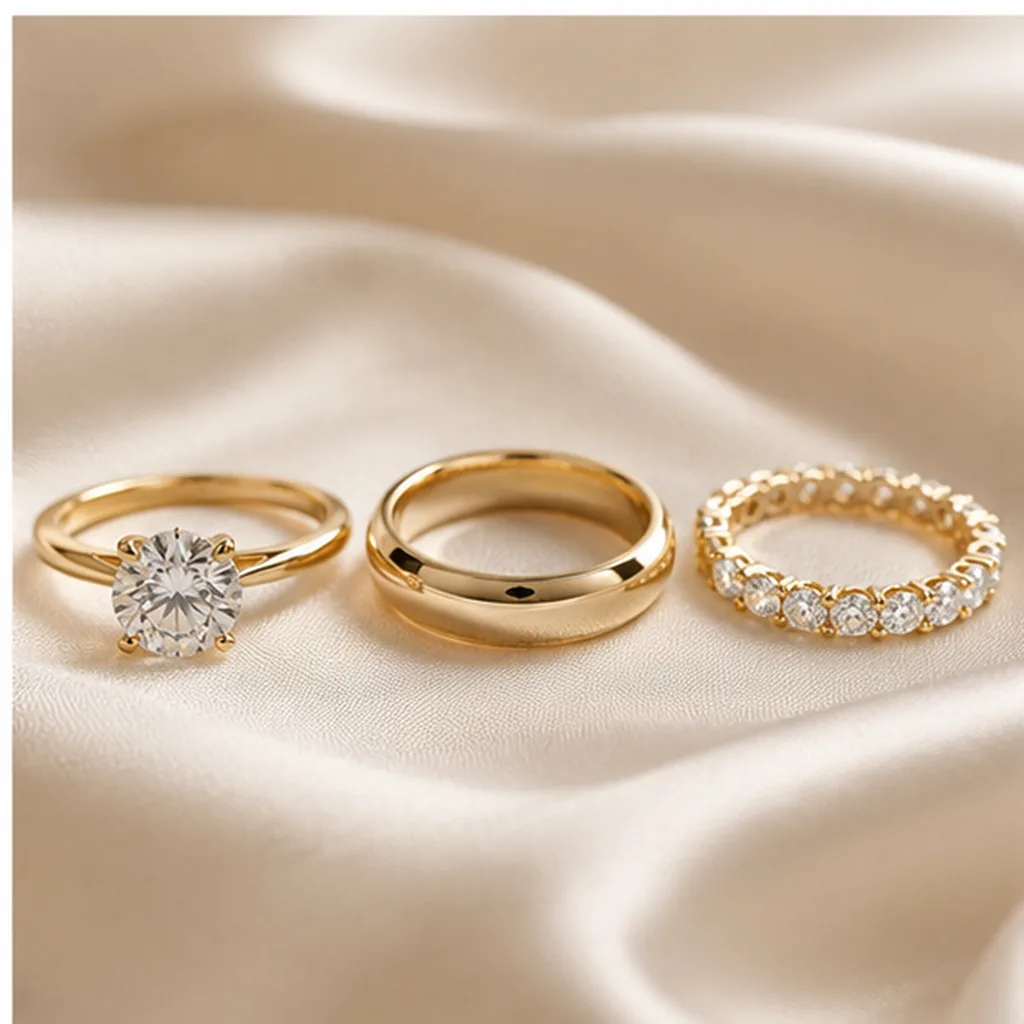
- Not checking the wedding band fit. A curved or notched band may be needed — decide early. See the wedding ring pairing guide.
- Choosing carat over cut. A well-cut smaller stone outperforms a larger dull one in every light.
- Ignoring lifestyle. High prongs and soft gemstones do not survive gardening, climbing or hospital shifts.
- Approving the CAD too fast. Ask for side and top renders, not just the hero angle.
- Leaving it too late. Stone sourcing is the step nobody budgets time for.
What is included with a Camellia custom ring
- Lifetime warranty against manufacturing defects (excludes general wear, accidental damage, stone loss and chemical exposure; voided by third-party repairs).
- One free resize within 180 days of receiving the ring, plus a free sizer kit on request.
- 30-day returns for refund or exchange on items in original condition (delivery fees and taxes excluded; return shipping is the buyer’s responsibility).
- Certificate of Authenticity and Appraisal with every piece, plus an IGL certificate for natural diamonds.
- Free insured worldwide shipping by FedEx.
FAQ
How long does a custom ring take?
Custom orders are produced in 21–28 business days, plus 1–3 business days shipping in the USA and about 3–4 days internationally. Allow six to eight weeks total if you have a fixed proposal date. Rush orders can be arranged if requested before purchase.
Is a custom ring more expensive than a ready-made one?
Not necessarily. You control the materials, so you can put the budget into the stone and skip features you do not want. Complexity, not the word “custom”, is what raises the price — hand-set pavé and filigree add labor, a clean solitaire does not.
Can I use a family heirloom stone?
Yes, and it is common. The stone is inspected for chips or wear before the design is locked in, since older stones often need a more protective setting.
Do I see the ring before it is made?
Yes. You approve a high-resolution 3D CAD rendering, with as many revision rounds as you need, before anything is cast. Changes are easy in CAD and difficult once casting has begun.
What metals and stones can I choose?
14K and 18K gold in white, yellow, rose and two-tone. Center stones include natural and lab-grown diamonds, moissanite, sapphire, ruby, emerald, morganite, aquamarine, tanzanite, amethyst, topaz and pearl.
What if the ring does not fit?
You get one complimentary resize within 180 days of receiving it. Order a free sizer kit beforehand if you are unsure of the size.
Will my custom ring be certified and insurable?
Every piece ships with an in-house Certificate of Authenticity and Appraisal listing the retail replacement value for insurance. Natural diamonds also come with an IGL certificate.
Ready to begin the custom engagement ring process? Send your ideas, sketches or inspiration photos through the custom design request form, or talk to a designer directly at +1 424-404-6523.
Educational guide by Camellia Jewelry — handcrafted vintage & nature-inspired engagement rings, made to order since 2010.
Sources & references