



How to Buy an Engagement Ring: A Step-by-Step Guide
Learning how to buy an engagement ring for the first time can feel overwhelming. There are grading reports to decode, a dozen stone shapes that all look beautiful, metals that photograph almost identically, and the quiet pressure of getting something this meaningful exactly right. The reassuring part is that the whole decision breaks down into six clear steps, and once you work through them in order, each answer narrows the next until only a handful of rings are left to choose between.
Quick answer: Decide on a comfortable budget first, learn your partner’s everyday style, choose a centre stone (natural diamond, lab-grown diamond, moissanite or a coloured gemstone), pick a shape and setting that suit their hands and daily life, confirm the ring size discreetly, and buy only from a jeweller who provides an independent grading report, a clear return policy and a written warranty.
Step 1: Set your budget before you start looking
Choosing a number first is the most useful thing you can do, because it quietly makes every later decision simpler. The old “two or three months’ salary” guideline began life as advertising copy rather than genuine guidance, so treat it as trivia and not a target. A better approach is to pick a figure that sits comfortably alongside your other plans for the year, then tell your jeweller that number openly.
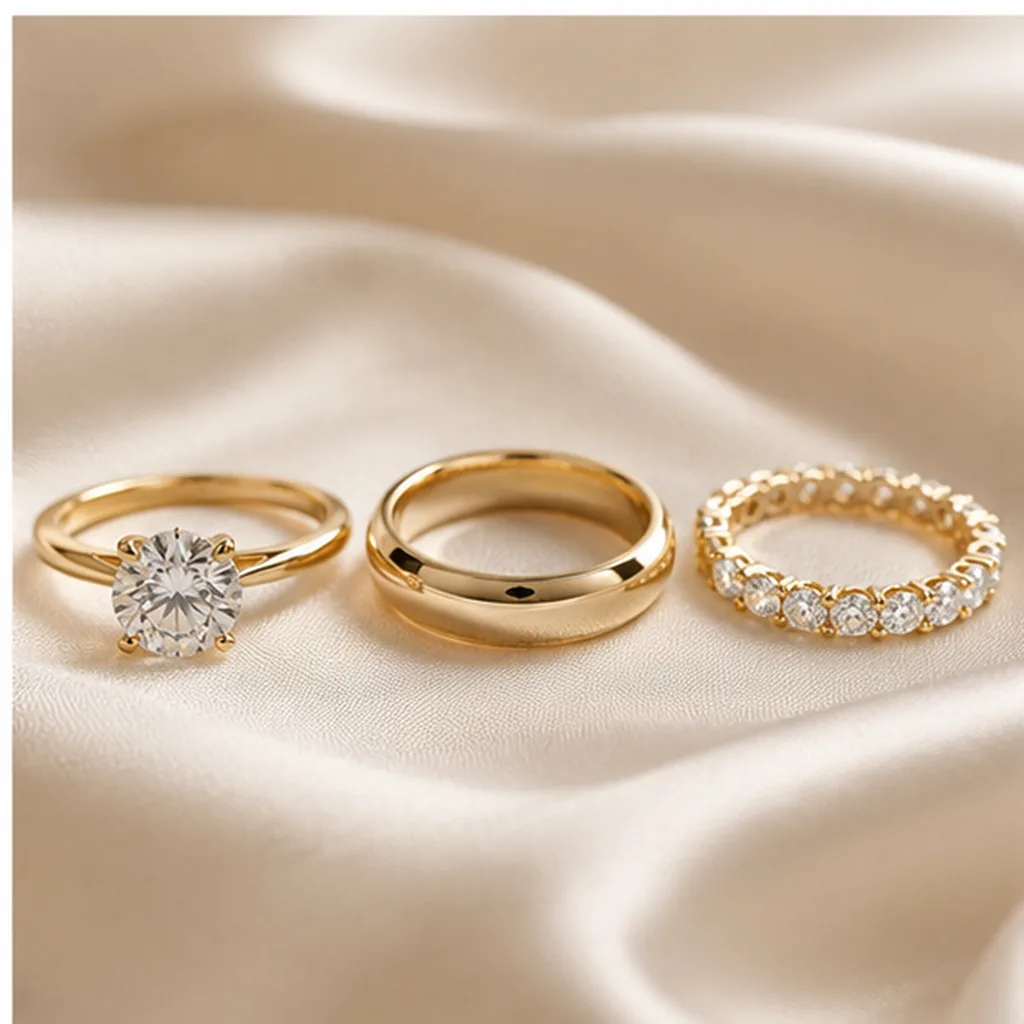
A good jeweller will not try to push past it. Instead they will show you where the money is best spent for the look you want, and that is where the real value lies. Small trade-offs make a surprising difference: dropping from 1.00 carat to 0.90, choosing a near-colourless grade instead of the very top of the scale, or selecting a slightly included stone that is still eye-clean can free up a meaningful amount of budget with no visible change to the ring. Remember to leave a little room for the extras that come later, such as resizing, engraving, insurance and a wedding band that will sit beside it.
Step 2: Learn their style before you shop
The most loved rings are the ones that look like they always belonged on that hand. You already have plenty of evidence to work from, so spend a week or two paying attention before you spend anything. Notice the metal colour they reach for daily, whether their taste leans vintage and detailed or modern and clean, whether they wear delicate pieces or bolder statement jewellery, and whether they favour cool silvers or warm golds in their clothing too.
Their saved images and wish lists are a gift if you can see them, and close friends, siblings or parents are often willing and very discreet allies. It also helps to know what they dislike, since ruling out a style is just as valuable as finding a favourite. If you are stuck between two directions, lean towards the simpler one; a classic silhouette is far easier to live with for decades and far easier to pair with a wedding band later.
Step 3: Choose the centre stone
The centre stone usually takes the largest share of the budget, so it deserves the most thought. You have four main options, and none of them is objectively the right answer.
Natural diamonds are the traditional choice, prized for their hardness, brilliance and the fact that they were formed over an extraordinary span of geological time. Lab-grown diamonds are chemically and optically the same material, grown in weeks rather than eons, and typically cost considerably less for the same size and grade, which lets many couples choose a larger or finer stone. Moissanite is a different mineral entirely, nearly as hard as diamond, with a livelier and more rainbow-like flash, and it sits at a much lower price point. Coloured gemstones such as sapphire, emerald, ruby, moonstone or aquamarine bring personality and often carry family or birthstone meaning; just check the hardness, because softer stones need a more protective setting and a gentler routine.
Whichever material you choose, cut quality matters more than anything else for sparkle. A well-cut stone returns light beautifully and can look brighter and larger than a poorly cut stone of greater weight. Colour and clarity are worth optimising only to the point where differences stop being visible to the naked eye, and carat weight is best treated as the flexible number you adjust once the other three are settled.
Step 4: Pick a shape that flatters the hand
Shape is the outline you will recognise across a room, and it changes how large a stone appears. Round brilliants are the most sparkling and the most classic. Oval, pear and marquise shapes spread their weight along the finger, so they read as larger per carat and can visually lengthen the hand. Emerald and Asscher cuts trade fire for a calm, glassy, stepped elegance that suits vintage and art deco tastes, though they show inclusions more readily, so lean towards a cleaner stone. Cushion and radiant cuts sit comfortably between the two worlds, and princess cuts give a crisp, geometric look.
If you can, look at your shortlist in person or on video under different lighting, since shapes that seem similar on a screen can feel very different in the hand.
Step 5: Match the setting and metal to their life
The setting decides how the ring wears day to day, not just how it looks. A classic four or six prong solitaire lifts the stone into the light and shows it off. Halo settings ring the centre with small accent stones, adding visible size and sparkle. Bezel settings wrap the girdle in metal, making them an excellent choice for nurses, chefs, climbers, gardeners and anyone who works with their hands. Pavé and channel bands add brilliance along the shank, while three-stone designs carry a lovely past, present and future symbolism.
For metals, platinum is dense, naturally white and hypoallergenic. White gold gives a similar look for less and is rhodium plated, so it benefits from occasional replating. Yellow gold is warm, traditional and very forgiving of wear. Rose gold is romantic and its copper content makes it durable. Two-tone designs are a smart choice when you are genuinely unsure. Fourteen carat gold is harder and more scratch resistant than eighteen carat, which is richer in colour but a little softer. Finally, think ahead to the wedding band, because some contours and low-set designs sit flush together far more easily than others.
Step 6: Confirm size, certification and aftercare
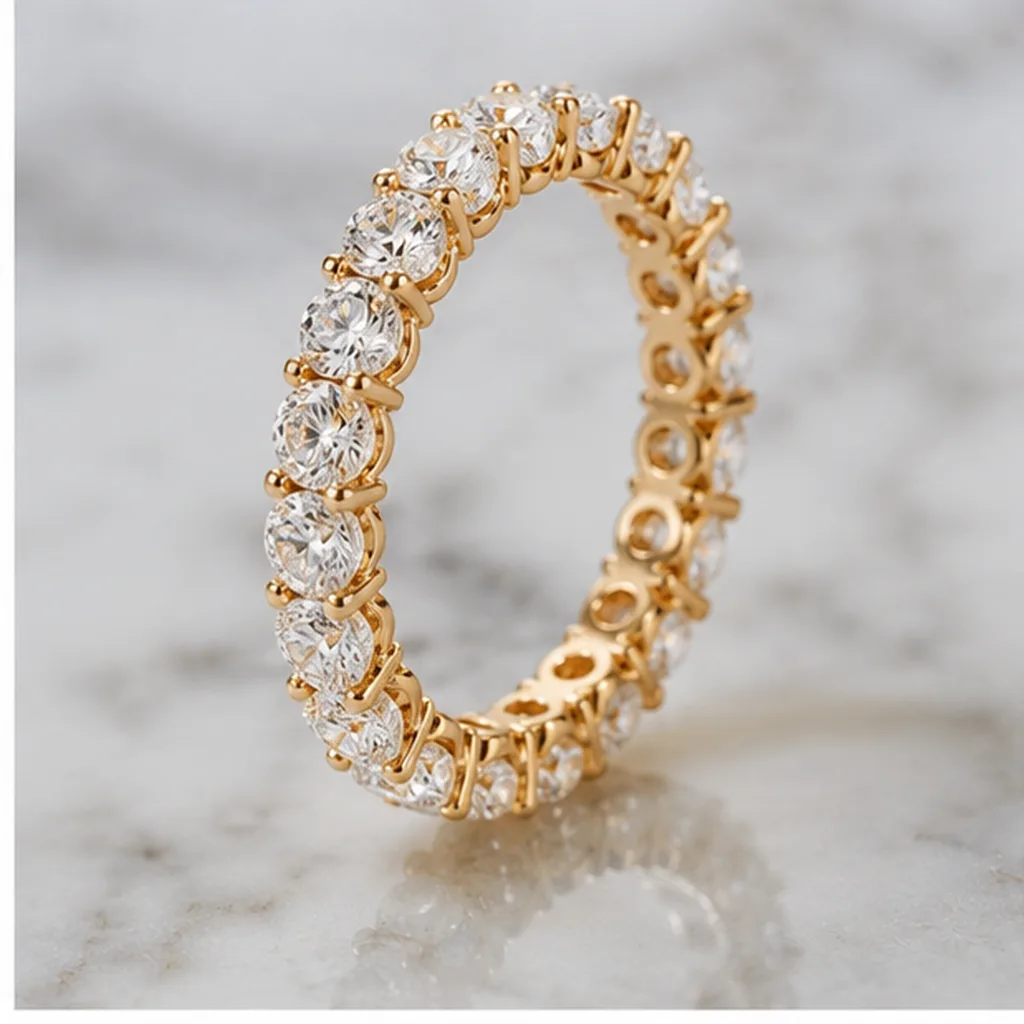
Ring size is the detail that most often causes delays. Borrow a ring they already wear on the correct finger and have it measured, or trace its inner circle, ask a friend to go “ring shopping” for themselves with your partner along, or simply choose a common size and plan to resize. Fingers change size with temperature, exercise, salt and the time of day, so measure warm and at the end of the day for the most representative fit. Bear in mind that eternity bands and heavily pavé-set shanks are difficult or impossible to resize.
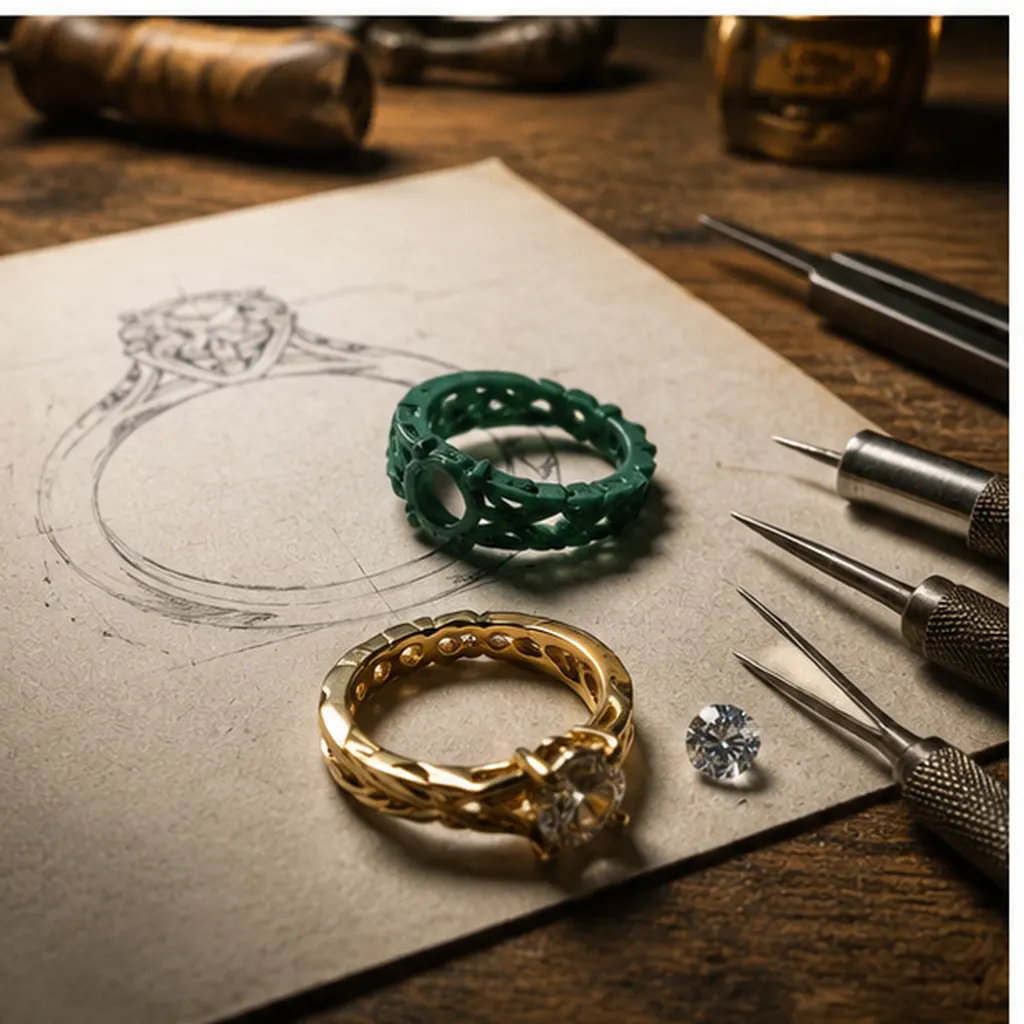
Ask for an independent grading report from a respected laboratory such as GIA or IGI for any significant centre diamond, so its quality is confirmed by someone other than the seller. Before you pay, get the return and exchange window, the resizing policy, the warranty terms, the appraisal for insurance and the full delivery timeline in writing. A ready-to-ship ring can arrive within days, while a custom or handmade design usually takes several weeks, so if you have a date in mind, start earlier than feels necessary.
FAQ
How long does it take to buy an engagement ring?
An in-stock, ready-to-ship ring can reach you within a few days. A custom or handcrafted design typically takes around three to six weeks, and resizing or engraving can add another week or two, so allow a comfortable buffer before any planned date.
Should I involve my partner in choosing the ring?
This is entirely personal and there is no wrong answer. Many couples now shop together, especially for a piece worn every day for decades. Others prefer the surprise, informed by careful quiet research. A popular middle path is to propose with a ring you chose, having confirmed in advance with the jeweller that the design can be adjusted or exchanged afterwards.
What certification should I look for?
For a natural or lab-grown centre diamond, a grading report from GIA or IGI describes the cut, colour, clarity and carat weight independently of the seller. For coloured gemstones, ask for a report identifying the stone and disclosing any treatments. Keep the paperwork with your insurance documents.
Are lab-grown diamonds a good choice?
They are real diamonds with the same hardness, brilliance and chemistry as mined stones, and they cost noticeably less for comparable size and quality. Many people choose them to get a larger or finer stone within the same budget, while others prefer the rarity and origin story of a natural diamond. Both are legitimate choices, and reputable sellers always disclose which you are buying.
How do I find their ring size without asking?
Measure a ring they already wear on that finger, trace its inner circle on paper, or slide it onto your own finger and mark where it stops. If none of that is possible, most people fall in the middle of the size range, and a jeweller who offers free or low-cost resizing removes the risk entirely.
What should I avoid when buying an engagement ring?
Avoid rushing a large purchase under time pressure, buying without a written return policy, prioritising carat weight over cut quality, and paying for colour or clarity improvements you cannot actually see. Be cautious of prices that seem far below the market with no grading report to support them, and always ask whether a stone is natural, lab-grown or a simulant.
Educational guide by Camellia Jewelry — handcrafted vintage & nature-inspired engagement rings since 2010.
Sources & references