

Engagement Ring Setting Types Explained: Prong, Bezel, Pavé and More
Engagement ring setting types describe how a diamond or gemstone is held in place on the band. The setting is one of the most important design choices you will make: it affects sparkle, security, comfort, everyday practicality and overall style. Understanding the main ring setting types before you shop makes it far easier to choose a ring that fits both your taste and your lifestyle.
Quick answer: Prong settings maximize sparkle, bezel settings maximize protection, pavé and channel settings add extra diamonds along the band, and tension settings give a modern floating look. Most engagement rings use a four- or six-prong setting because it exposes the diamond to the most light while keeping it secure.
The most common engagement ring settings
Here are the core setting styles you will encounter, along with what makes each one distinctive:
- Prong setting: Metal claws hold the stone in place while letting in maximum light. Four prongs look sleeker and more modern; six prongs are more secure and give a slightly rounder outline.
- Bezel setting: A continuous metal rim wraps around the edge of the stone for the best possible protection. It is ideal for active lifestyles, healthcare workers and anyone who works with their hands.
- Pavé setting: Tiny diamonds set closely along the band add extra sparkle and make the center stone appear larger and brighter.
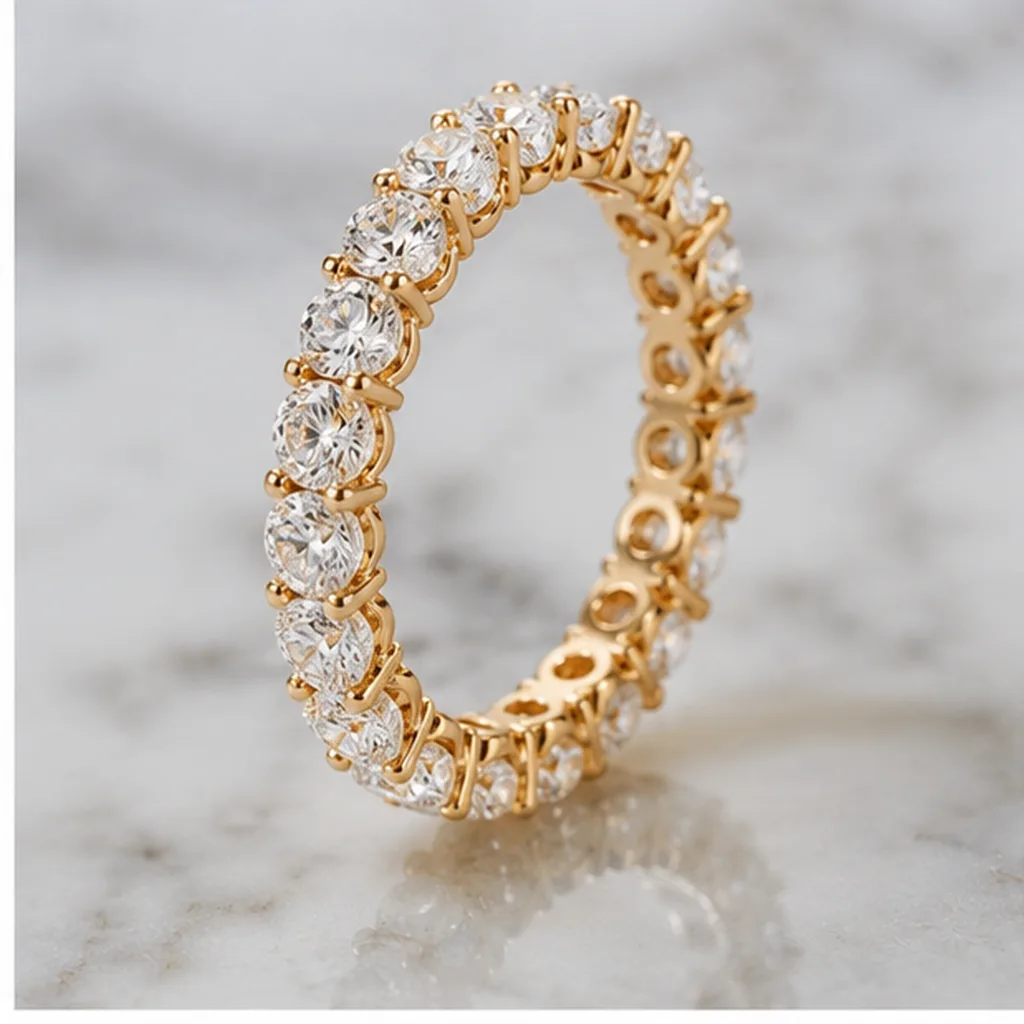
- Channel setting: Stones sit flush between two parallel metal walls, secure and snag-free — a great choice for wedding bands and eternity rings.
- Tension setting: The stone appears suspended between the two ends of the band, creating a strikingly modern, floating look.
- Cathedral setting: Graceful arches of metal lift and frame the center stone, adding height and a sense of elegance.
- Halo setting: A frame of small accent diamonds encircles the center stone to boost sparkle and perceived size. See our full halo vs solitaire comparison for details.
- Three-stone setting: A larger center stone flanked by two side stones, often used to symbolize past, present and future.
Prong vs bezel: security and sparkle compared
The two most fundamental setting styles sit at opposite ends of a spectrum. A prong setting exposes the greatest surface area of the diamond, so light enters and exits freely and the stone sparkles at its brightest — but the raised prongs can occasionally catch on fabric and need periodic tightening. A bezel setting trades a little sparkle for maximum durability: the metal rim shields the girdle of the stone from knocks and keeps a low, smooth profile that rarely snags. If you want brilliance above all, choose prongs; if you want peace of mind for daily wear, choose a bezel or a partial (half) bezel as a middle ground.
How to choose a ring setting
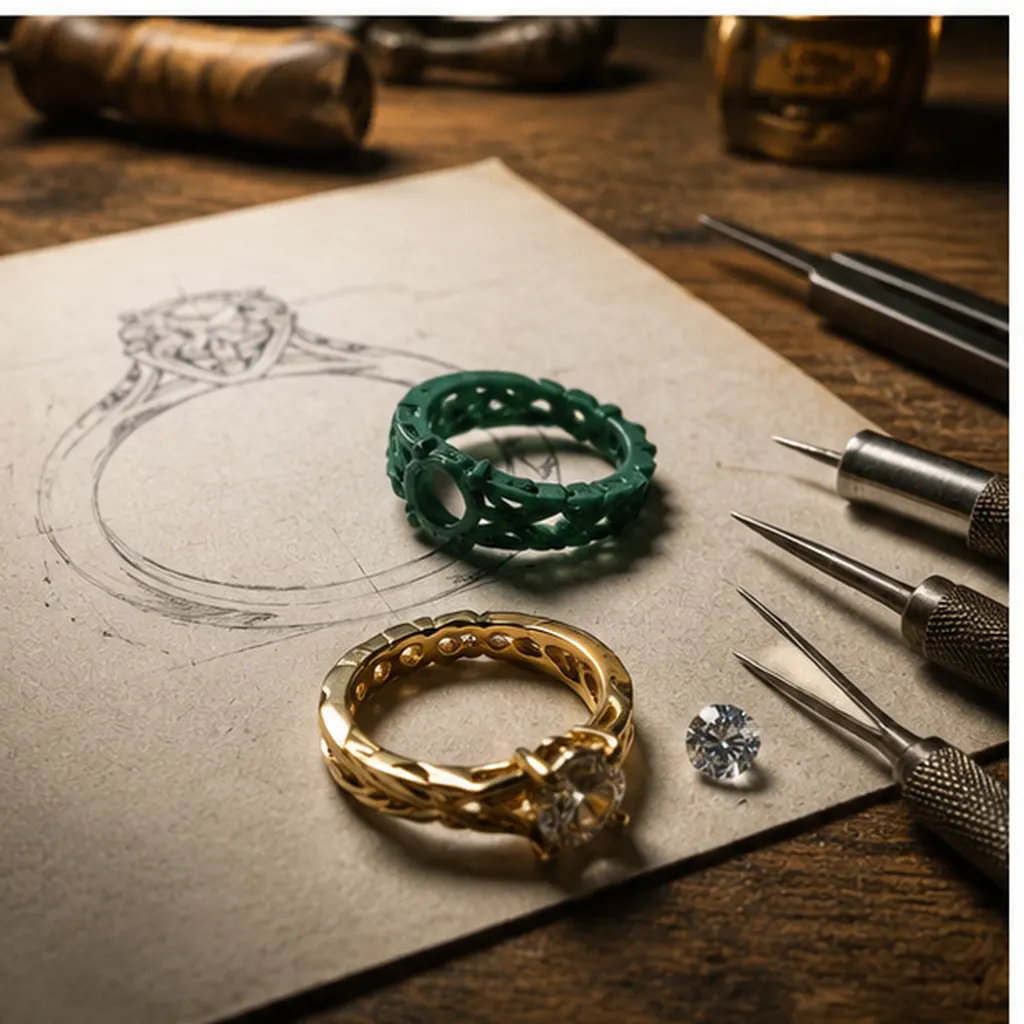
Match the setting to your daily life. Hands-on and active lifestyles favor bezel or low-profile settings that protect the stone, while those who prize maximum brilliance tend to love prongs and pavé. Consider metal durability too: platinum and 14k gold hold prongs securely over time. Filigree and nature-inspired settings can blend several of these techniques into a single design, which is where a custom ring shines. For an independent primer on how settings affect a diamond’s appearance, the GIA guide to diamond quality is a trustworthy reference.
Setting types and matching wedding bands
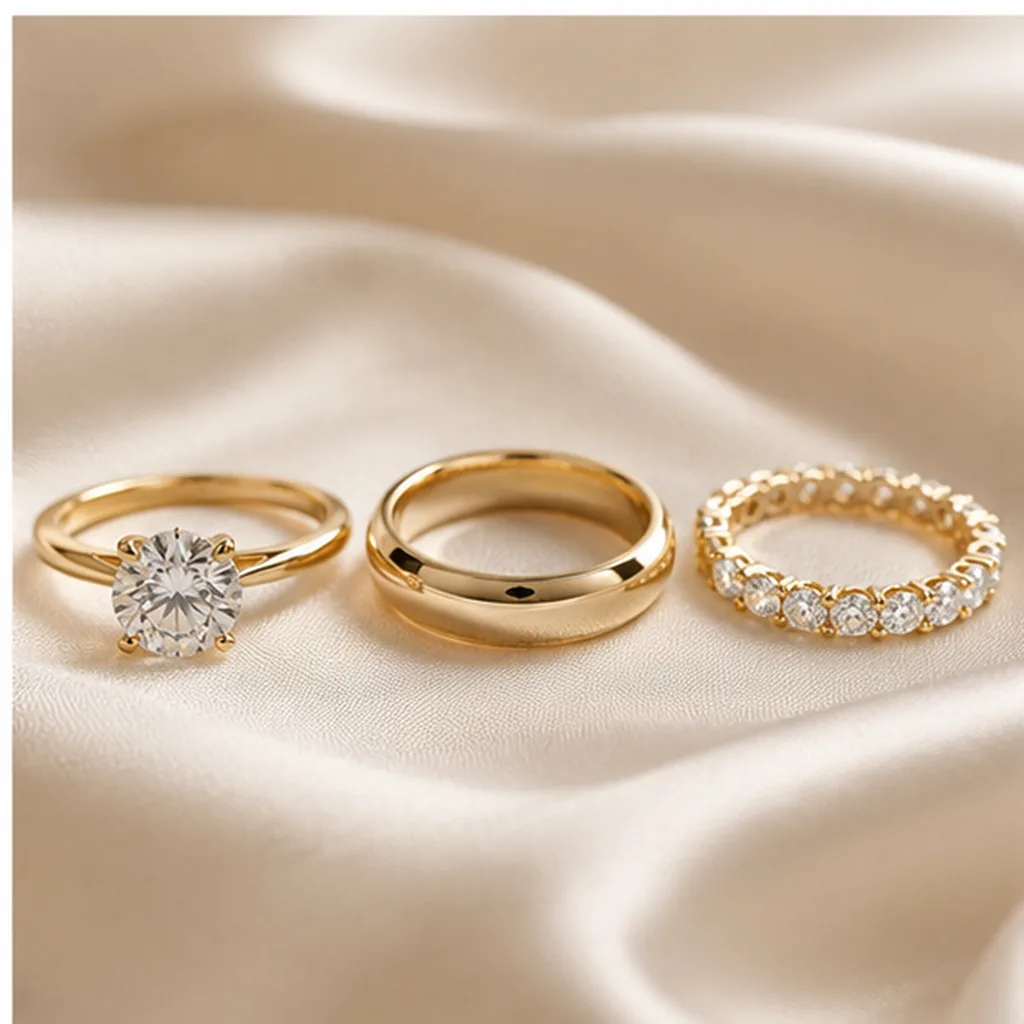
Your setting also influences how your wedding band will sit alongside the engagement ring. Solitaire and cathedral settings usually pair with a wide range of bands, while low-profile bezel and channel designs sit flush and stack cleanly. If a perfectly seamless fit matters to you, consider a matched bridal set from the start. You can browse ready-made styles in our engagement rings collection.
FAQ
Which ring setting is most secure?
A bezel setting is the most secure, because it surrounds the stone completely with metal and protects the vulnerable edges from impact.
Which ring setting sparkles most?
Prong settings sparkle most, because they expose the greatest amount of the stone to light and maximize brilliance.
Are pavé diamonds prone to falling out?
Quality pavé is secure, but like any small-stone setting it benefits from periodic professional checks to keep every accent diamond tight.
What is the best ring setting for an active lifestyle?
Bezel and low-profile settings are best for active lifestyles, since they protect the stone and are far less likely to snag than raised prongs.
What is the most popular engagement ring setting?
The classic prong solitaire remains the most popular engagement ring setting worldwide, followed closely by halo designs.
Educational guide by Camellia Jewelry — handcrafted vintage & nature-inspired engagement rings since 2010.
Related guides
Sources & references