

Natural vs. Lab-Grown Diamonds: What’s the Real Difference?
-
-
Are they real? Yes. Both are 100% crystallized carbon.
-
Appearance: Identical. Even experts cannot tell the difference without lab equipment.
-
Price: Lab-grown diamonds are typically 70-90% cheaper.
-
Value: Natural diamonds retain some resale value; lab diamonds have little to no resale value.
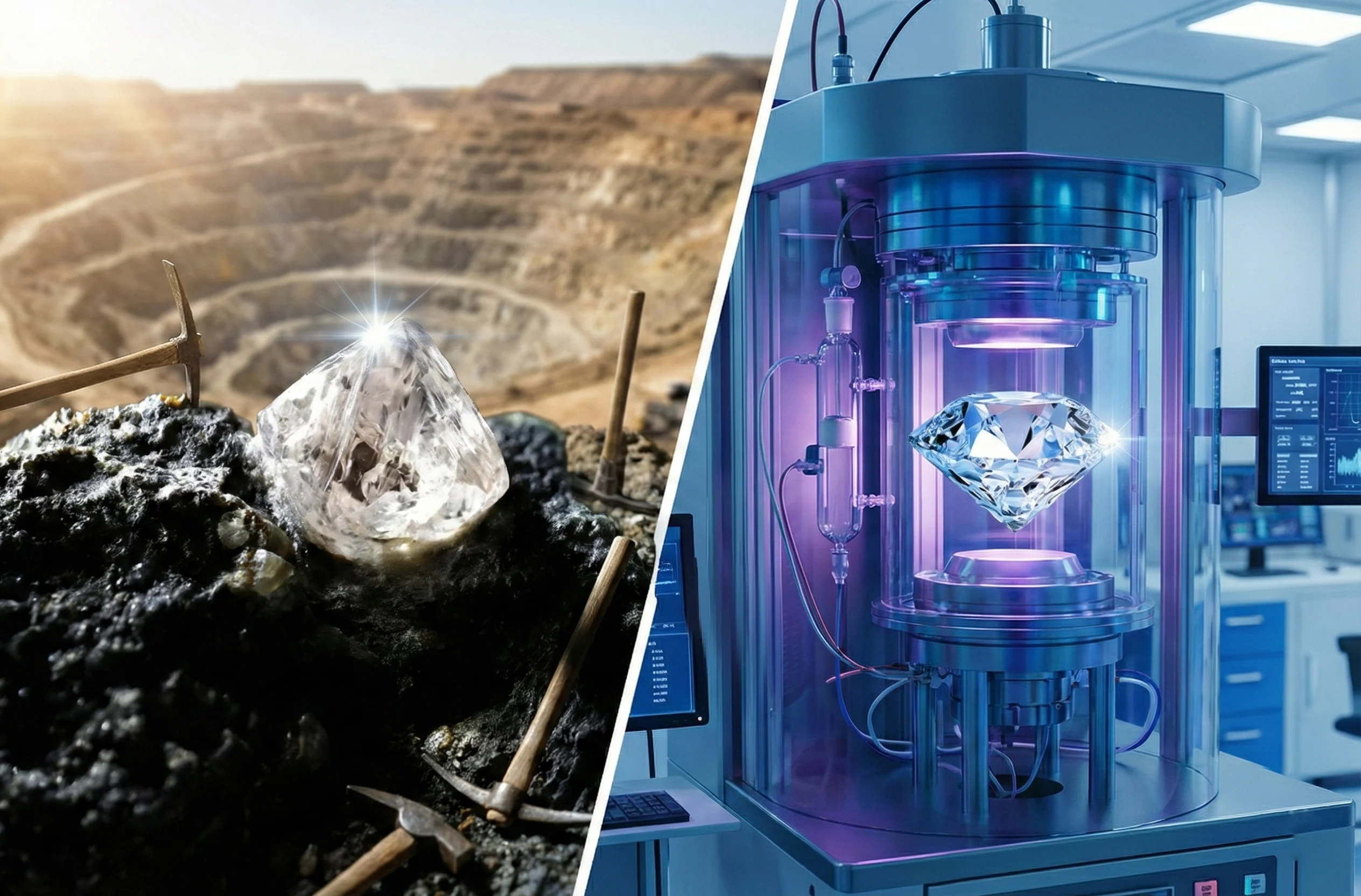
From the earth vs. from the lab: Two different origins, one identical result. -
-
Featured Snippet: Are Lab-Grown Diamonds Real?
Yes, lab-grown diamonds are 100% real diamonds. They share the exact same chemical, physical, and optical properties as mined diamonds. The only difference is their origin: natural diamonds are formed deep within the Earth over billions of years, while lab-grown diamonds are created in a controlled laboratory environment in a matter of weeks.
What is the Physical Difference Between Natural vs. Lab-Grown Diamonds?
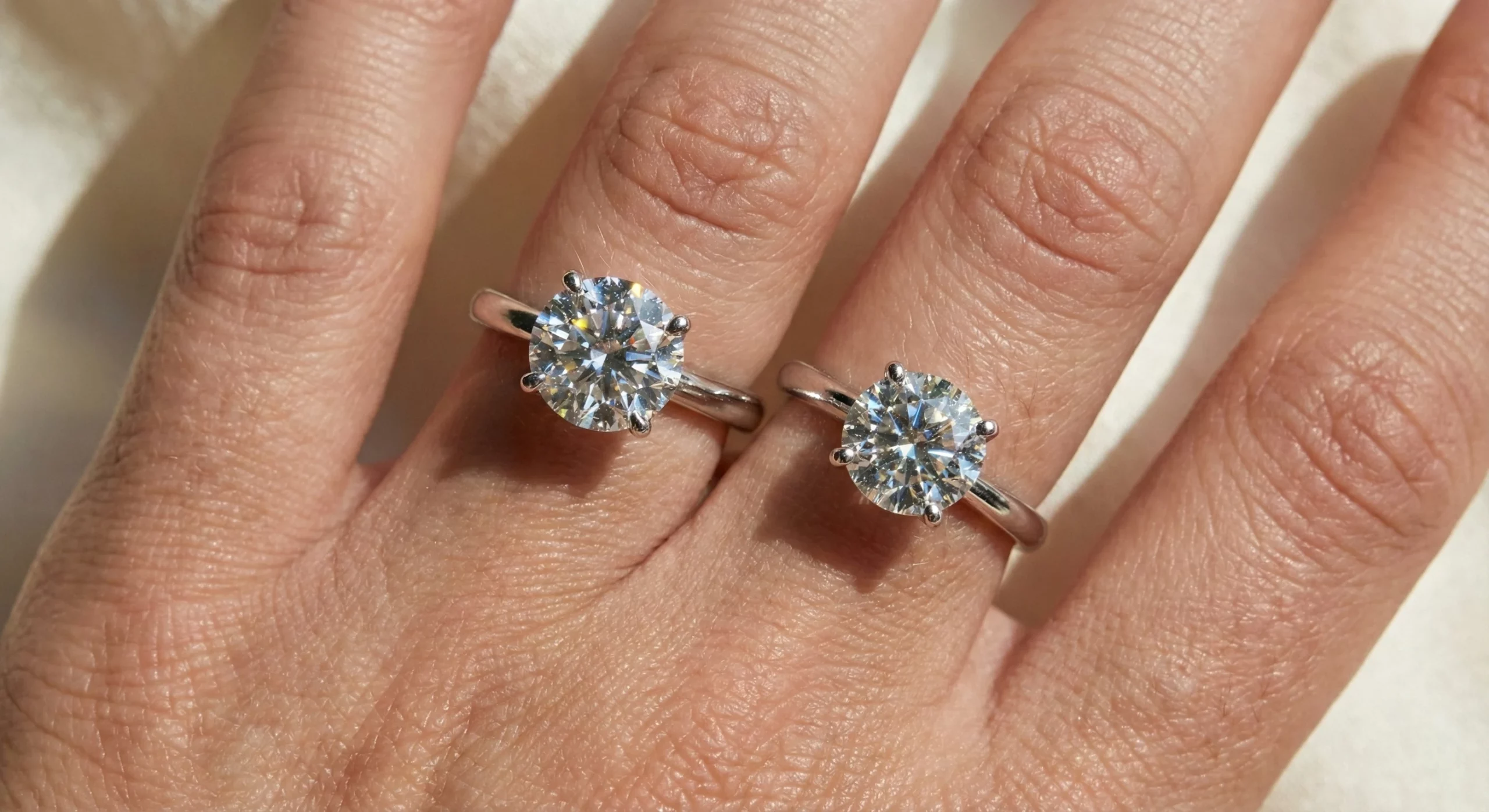
Chemically and physically, there is absolutely no difference. If you place a natural diamond and a lab-grown diamond side by side, they are indistinguishable to the naked eye. Both score a perfect 10 on the Mohs scale of hardness and refract light in the exact same way.
According to the GIA News Research, the distinction lies solely in how they were made, not what they are made of. This makes lab-grown stones just as durable for daily wear as natural ones.

Can you spot the difference? Neither can we. Visually, these two diamonds are identical. -
Price Comparison: How Much Money Do You Save?
You can expect to save between 70% to 90% by choosing a lab-grown diamond over a natural one. Because lab diamonds are mass-produced using advanced technology (like CVD or HPHT), supply is not limited by nature.
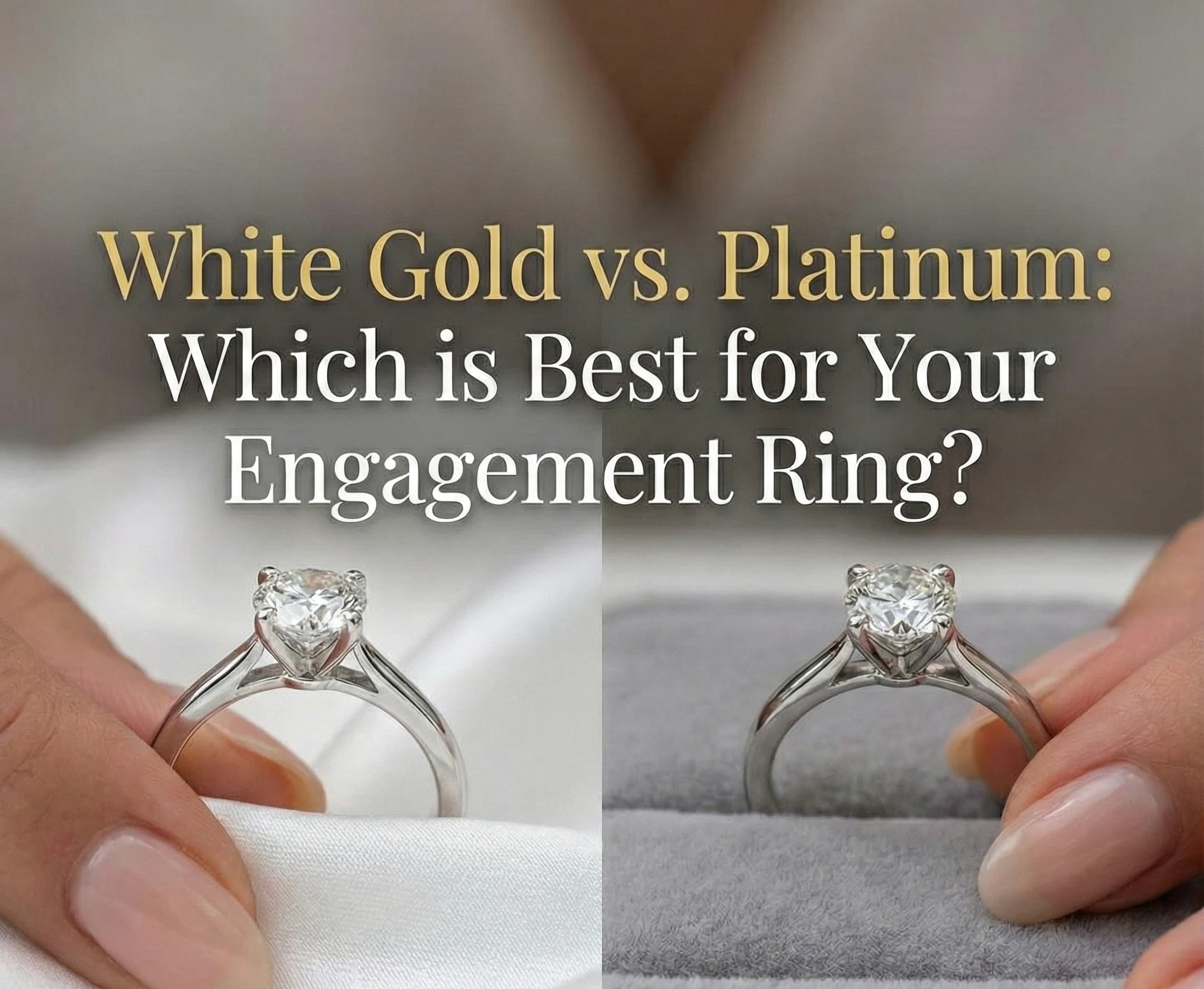
This huge price gap allows buyers to allocate their budget differently. For example, with the money saved on the stone, you might choose a premium metal setting. Read our guide on 14k vs 18k Gold to see if upgrading your metal is worth the investment.
Quick Comparison Table
Feature Natural Diamond Lab-Grown Diamond The Winner Composition Carbon (Real Diamond) Carbon (Real Diamond) Tie Origin Mined from Earth Created in Lab Lab-Grown (Ethical) Price (1 Carat) $$$$ (Expensive) $ (Very Affordable) Lab-Grown Resale Value Retains some value Very low / None Natural Sustainability Mining impact Energy intensive Lab-Grown Can a Jeweler Tell the Difference With a Loupe?
No, a jeweler cannot tell the difference just by looking at the stone with a standard magnifying loupe. Since lab diamonds have the same refractive index as mined diamonds, standard thermal diamond testers will identify them as “Diamond.”
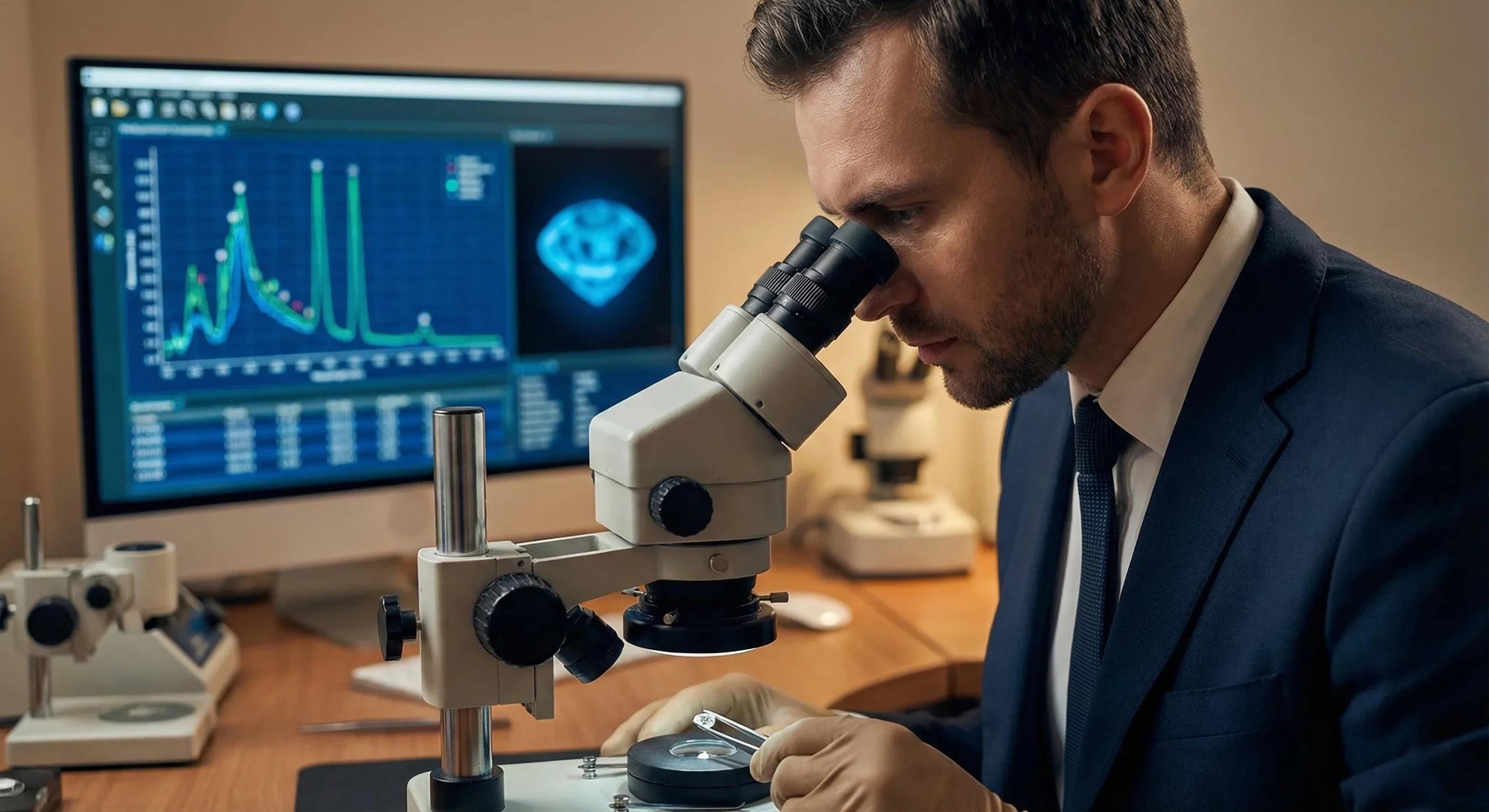
To distinguish between them, gemologists must use specialized laboratory equipment that detects minute trace elements. Regardless of which type you choose, keeping it clean is key to maintaining its sparkle. Check out our How to Clean Jewelry at Home guide for safe maintenance tips.
Standard tools aren’t enough—gemologists need advanced lab equipment to distinguish the two. -
Do Lab-Grown Diamonds Have Resale Value?
This is the main “catch” with lab-grown diamonds: they have very little to no resale value. Unlike natural diamonds, which possess intrinsic scarcity and often retain a portion of their value over time, lab-grown diamonds are a technology product. As technology improves and production becomes cheaper, the market value of used lab diamonds drops. If you view your Engagement Ring as a financial asset, natural is the safer path.
The Verdict: Which Diamond Should You Buy?
The decision in the natural vs lab grown diamonds debate comes down to your personal values:
-
Choose a Lab-Grown Diamond If: You want to maximize your budget. You can get a stunning 2-carat stone for the price of a 0.8-carat natural stone.
-
Choose a Natural Diamond If: You value romance, tradition, and rarity. There is a special sentiment in owning a gem that was created by the Earth 3 billion years ago.
Summary
Ultimately, both options are “real” diamonds. A lab-grown diamond offers an ethical, budget-friendly way to get the look you want, while a natural diamond offers the timeless allure of owning a rare piece of Earth’s history.
-