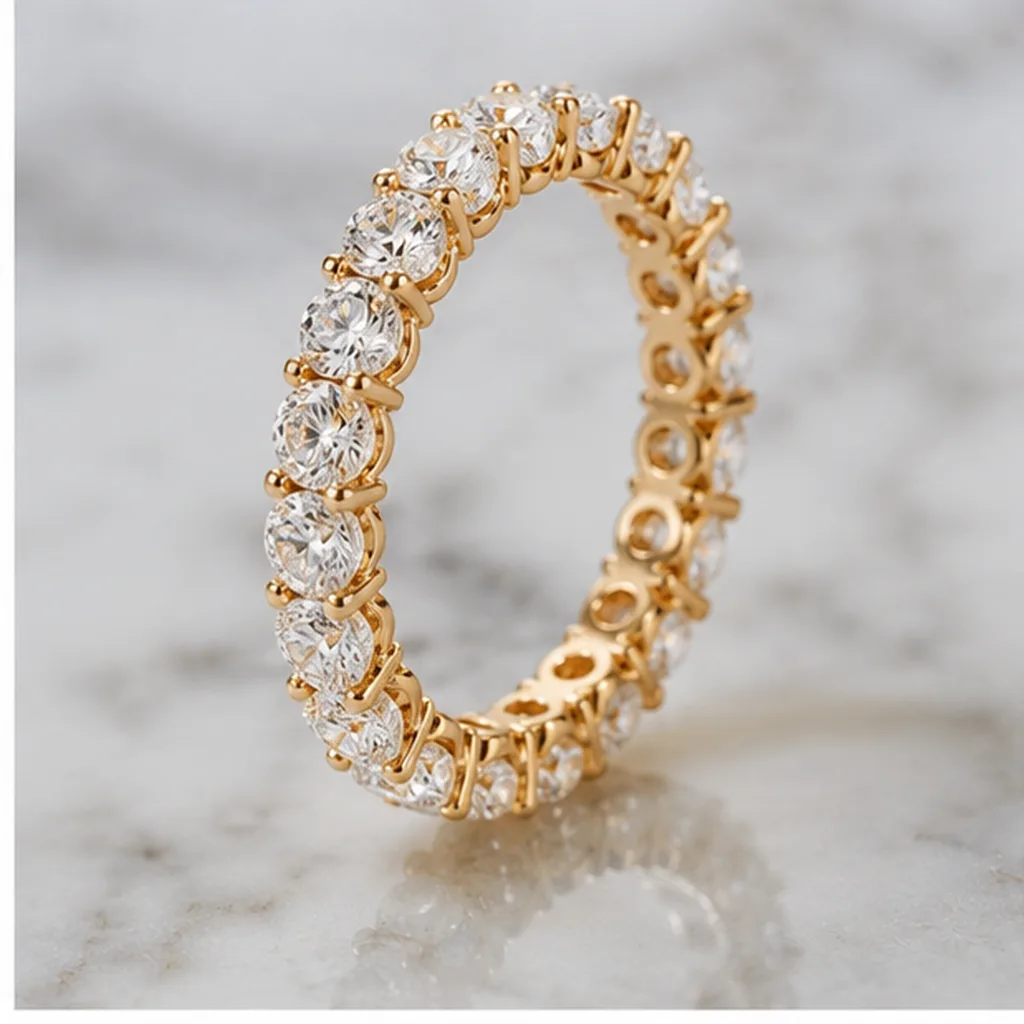


Cushion Cut Diamonds: The Romantic, Vintage-Inspired Shape
The cushion cut diamond is the romantic at heart of the diamond world, pairing a soft pillow shape with warm, fiery sparkle and an irresistibly vintage soul. Loved for more than two centuries, it suits both antique-inspired and sleek modern designs with equal grace. This guide explores its glowing fire, distinctive pillow shape, the difference between standard and crushed-ice faceting, the most flattering settings, and the smart color, clarity and ratio choices that lead to a stunning stone. Read on to discover why so many couples fall head over heels for the cushion.
Quick answer: A cushion cut diamond is a square or rectangular shape with rounded corners, resembling a soft pillow. It delivers exceptional fire and a romantic, vintage glow, looks beautiful in halo and solitaire settings, and offers excellent value compared with a round brilliant.
Key takeaways
- Shape: A pillow-like square or rectangle with gently rounded corners.
- Sparkle: Known for warm, dramatic fire and a soft, romantic glow.
- Value: Typically costs less per carat than a round brilliant.
- Heritage: A vintage cut dating back more than 200 years.
What is a cushion cut diamond?
A cushion cut diamond is a square or slightly rectangular shape with softly rounded corners and gently curved sides, giving it the look of a plump pillow, which is exactly how it earned its name. The cut evolved from the old mine cut popular in the 1700s and 1800s, so it carries genuine antique heritage that newer shapes simply cannot claim. Modern cushions use 58 or more facets arranged for brilliant-style sparkle and superb light return. They come in two main faceting styles: standard, with larger facets for bold, defined flashes, and modified or “crushed ice,” with smaller facets for a shimmering, scintillating texture. Both styles glow with warmth and character, and both flatter a wide range of hands and settings, which is a key reason the shape has stayed popular for so long.
The romantic fire of a cushion cut diamond
Few shapes rival the cushion for fire, the rainbow flashes of colored light a diamond throws as it moves. Its rounded form and generous facets channel light into broad, warm bursts that feel softer and more romantic than the crisp, icy brilliance of a round. Under candlelight or warm bulbs, a cushion seems to glow from within, an effect photographs rarely do justice. This dreamy, vintage-inspired sparkle is a huge part of its enduring appeal and why it features in so many heirloom-style rings. The shape also tends to hide a touch of color and warmth gracefully, so it pairs beautifully with yellow and rose gold for an antique, romantic feel, while platinum gives it a crisp, contemporary edge.
Standard vs crushed-ice faceting
Choosing a faceting style is the most personal cushion cut diamond decision. Standard or “chunky” cushions show larger, distinct facets that flash boldly, more like a classic vintage stone. Crushed-ice cushions scatter light into countless tiny sparkles, creating a glittering, textured look.
Which should you choose?
If you love bold, defined flashes and an antique character, pick a standard cushion. If you prefer a busy, shimmering sparkle that hides inclusions well, crushed ice is ideal. Always view examples side by side, since photos rarely capture the difference accurately.
Cushion cut diamond at a glance
| Attribute | Detail | Tip |
|---|---|---|
| Shape | Pillow-like, rounded corners | Square or rectangular options |
| Sparkle | Warm, romantic fire | Glows in candlelight |
| Faceting | Standard or crushed ice | View both before deciding |
| Clarity | VS to eye-clean SI | Crushed ice hides flaws |
| Price | Lower per carat than round | Strong value choice |
Best settings for a cushion cut
The cushion’s soft shape is wonderfully versatile and works with nearly every ring style. A halo of small round diamonds is the most popular choice, boosting sparkle and making the center look noticeably larger for the money. Solitaires highlight the pillow outline with clean simplicity, letting the stone’s fire take center stage, while three-stone designs add timeless symmetry and extra brilliance. Vintage-style mounts with milgrain and filigree complement the cut’s antique roots beautifully, which is why it features so often in vintage engagement rings. The gently rounded corners are durable and resist chipping, so the cushion handles everyday wear with ease and needs no special protection. Pair it with warm yellow or rose gold for a romantic, heirloom feel, or platinum and white gold for a crisp, modern contrast.
Choosing color, clarity and ratio
Because cushions show a little warmth, color choice depends heavily on your metal. In white gold or platinum, aim for an H color or better to keep the stone looking bright and white. In yellow or rose gold, you can comfortably drop to I or J and save money, since the warm metal masks slight tint and the savings can go toward a larger stone. For clarity, crushed-ice cushions hide inclusions remarkably well, so an eye-clean SI can look flawless to the naked eye, while standard cushions with their larger facets benefit from VS grades. A length-to-width ratio near 1.00 reads as a classic square, while 1.10 to 1.20 gives an elegant rectangular cushion that elongates the finger. Learning the 4 Cs of diamonds helps you balance all these factors confidently and avoid overpaying.
Is a cushion cut diamond a good choice?
Yes. The cushion cut diamond offers romantic fire, a versatile pillow shape and a lower price per carat than a round brilliant. Its rounded corners resist chipping, making it both beautiful and practical for everyday engagement-ring wear.
Do cushion cut diamonds sparkle a lot?
They do, with a distinctive warmth. Cushions are prized for their fire, throwing broad, colorful flashes rather than the crisp white brilliance of a round. The effect is soft and romantic, especially glowing under warm or candlelit lighting.
What is crushed ice in a cushion cut?
Crushed ice describes a faceting style that scatters light into many tiny, glittering sparkles, like sun on shaved ice. It hides inclusions well and looks shimmering. Standard cushions instead show larger, bolder, more defined flashes of light.
Are cushion cut diamonds cheaper than round?
Generally yes. Cushions typically cost less per carat than round brilliants because they retain more rough during cutting and have lower demand, letting you choose a larger or higher-quality stone for the same budget.
What color grade is best for a cushion cut?
It depends on the metal. Choose H or better for white gold and platinum to keep the stone bright. In yellow or rose gold, I or J looks lovely and saves money, since warm metal masks slight color.
Are cushion cut diamonds durable?
Very. The gently rounded corners have no sharp points to chip, unlike pear or marquise shapes. With a secure setting and routine care, a cushion cut withstands daily wear and lasts a lifetime beautifully.
Educational guide by Camellia Jewelry — handcrafted vintage & nature-inspired engagement rings since 2010.
Sources & references